Spokesperson of Real Madrid's Jose Mourinho slams Barcelona's Dani Alves: 'A donkey with small ears & glasses is still a donkey'
The Portuguese coach's spokesperson has hit out at the Brazilian defender, comparing him to a donkey, and feels referees are always in favour of the Catalan outfit
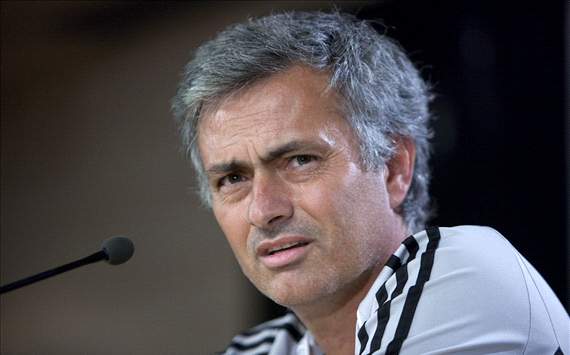
Jose Mourinho - Real Madrid
Eladio Parames, the spokesman of Real Madrid coach Jose Mourinho, has hit out at Barcelonadefender Dani Alves in the wake of last Wednesday's 2-2 Copa del Rey quarter-final draw at Camp Nou - with the Catalans winning 4-3 on aggregate.
Parames also voiced his dismay with the standard of refereeing in Spain, and stated his belief that Barcelona have the backing of the match officials if they are struggling in a game.
"What's changed since he [Dani Alves] came to Spain. He's undergone surgery on his ears, they've become smaller. And he's wearing glasses like an intellectual. However, a donkey with small ears and glasses is not all of a sudden a doctor, he's still a donkey," Parames said on Twitter.
"I've already said it before. When Barcelona play well, they're winning. If their opponents play better than them, the referee will help them to win."
Parames than went on to reveal what Jose Mourinho said to referee Teixeira Vitienes in the parking area after Wednesday's game.
"You have no respect for professionals. You're going to smoke a cigar now and have a good laugh, you b*****d," Mourinho said, according to his spokesman.
Parames also voiced his dismay with the standard of refereeing in Spain, and stated his belief that Barcelona have the backing of the match officials if they are struggling in a game.
"What's changed since he [Dani Alves] came to Spain. He's undergone surgery on his ears, they've become smaller. And he's wearing glasses like an intellectual. However, a donkey with small ears and glasses is not all of a sudden a doctor, he's still a donkey," Parames said on Twitter.
"I've already said it before. When Barcelona play well, they're winning. If their opponents play better than them, the referee will help them to win."
Parames than went on to reveal what Jose Mourinho said to referee Teixeira Vitienes in the parking area after Wednesday's game.
"You have no respect for professionals. You're going to smoke a cigar now and have a good laugh, you b*****d," Mourinho said, according to his spokesman.
Cream suits, Cantona and the classic Liverpool vs Manchester United FA Cup matches
English football's two greatest rivals are set to go head to head at Anfield on Sunday for what will be their 17th meeting in the game's oldest competition
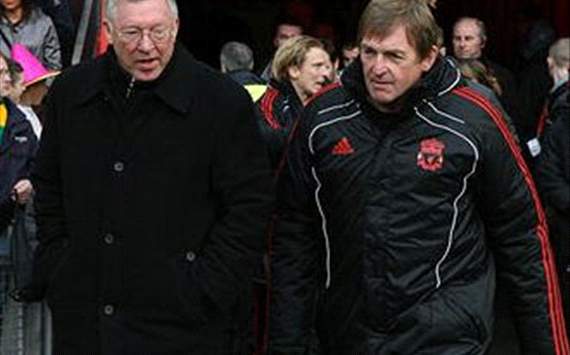
Getty
The Manchester derby may take rightful claim of being the season's most significant fixture, but even now, with City stood as champions elect, nothing sets the north west of England alight like Liverpool vs United.
Roberto Mancini's task of forcing the blue half of Manchester into the annuls of English football history may, in some ways, be impossible. Silverware will no doubt come to the Etihad Stadium and in great volume but not even the most sought-after prizes in the game can replace what is so deep-seated behind the Reds either end of the East Lancs Road.
Why? Ask any United or Liverpool fan what makes them dislike the other so much and no answer will be the same. Only vitriol remains as the common denominator between the two most successful clubs in the country. They simply do not get along - but with that comes the promise of another great spectacle when they meet in Saturday's FA Cup fourth round.
It will be their 17th in this competition alone and history suggests that there will be drama to accompany the bile at Anfield. We've taken a look at five of the fixtures that have served as checkpoints in a truly unique running feud.
 | 1-2 |  | PAISLEY DENIED THE TREBLE |
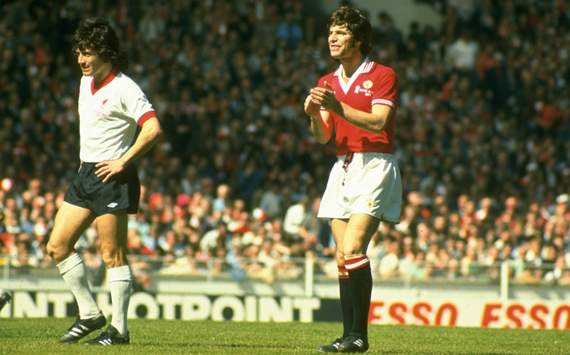
That Liverpool were to be crowned European champions and the best team in the country in 1977 speaks volumes not only of the surprise that the year's FA Cup's final caused but also of this fixture's ability to defy the form books.
The significance of the 2-1 win for United was huge; the post-Busby malaise that had seen the club relegated in 1974 was finally put to bed as Tommy Docherty's men became big time, albeit briefly, once again to secure their first trophy since the 1968 European Cup final.
The tie itself was settled within an erratic five-minute spell that saw Stuart Pearson put the Red Devils in front on the 51st before Jimmy Case levelled it with an unstoppable half-volley past Alex Stepney only a few hundred seconds later.
Docherty's men then went on to win the club's fourth FA Cup in total as Jimmy Greenhoff somewhat fortunately deflected Lou Macari's effort home with his chest as United, having watched Liverpool overtake them as English football's powerhouse, managed to deny Bob Paisley and his side the first ever Premier League, FA and European Cup treble.
Liverpool, despite their dominance in the late 1970s and 80s, never did win that particular race. But more on that later.
| 2-2 | | FAGAN'S LIVERPOOL BOUNCE BACK TWICE 13/4/1985 |
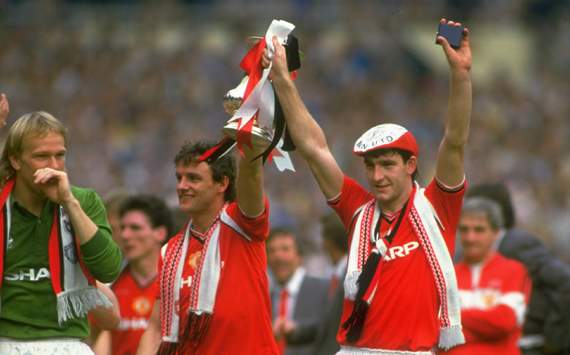
Simply refusing to admit defeat may have become the hallmark of Sir Alex Ferguson's era at Old Trafford but it had long been cultivated in the Anfield boot room by 1985, and in an incredible semi-final only a short walk from the Kop across Stanley Park at Goodison, the European champions delivered a lesson in spirit and perseverance.
Bryan Robson opened the scoring midway through the second half with a deflected effort from Gordon Strachan's corner, before Ronnie Whelan equalised with only three minutes of normal time spare with a magical strike from 25 yards out to take the game into injury time.
Ron Atkison's men rallied and took the lead again through Frank Stapleton and looked to all the world to be heading to Wembley. However, fortune would, for once, favour the Merseyside outfit as the referee failed to spot the linesman's flag as Kenny Dalglish received the ball in the 119th minute.
With the game allowed to play on, the Scot swung a deep cross onto the head of the otherwise disappointing Ian Rush, who forced an incredible save from Gary Bailey with a header before Paul Walsh knocked it home to send the game to replay. The Red Devils won it at Maine Road and then the final against Everton with a Norman Whiteside goal in extra time. It wouldn't be the last time they'd leave it late.
| 0-1 | | CANTONA TOO HOT FOR ANFIELD SPICE BOYS, 11/5/1996 |
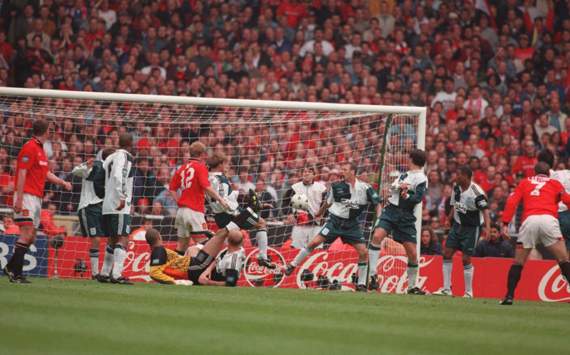
A multitude of sins can be forgiven on a football pitch for one moment of pure inspiration and such was the case for the 1996 FA Cup final, when Eric Cantona, ever the centre of attention, grabbed the himself the headlines and United the double at Wembley
A wholly forgettable 84 minutes was bookended by moments of the ridiculous and the sublime. The former came from Liverpool's 'Spice Boys' - a term that dominated Anfield during the mid 1990s with the Reds' squad seen to be made up largely of good-looking, under-achieving prima donnas. Arriving at the final in garish cream Armani suits selected by goalkeeper David James, Gucci loafers and sunglasses, the squad neared self-parody.
It was Ferguson's side who would be laughing come the end of the game, as with just over five minutes left, having delivered a relatively quiet showing, United's mercurial No.7 received the ball at stomach height outside the area from James' punch following a corner and swung an effort on the half volley through the crowded area and beyond the young 'keeper.
Having returned earlier in the season from a seven-month suspension for his infamous karate kick at Crystal Palace to guide the Old Trafford club to the title, it seemed only inevitable that it would be remembered as Cantona's final.
| 2-1 | | OLE WINS IT LATE (SURPRISE SURPRISE), 24/1/1999 |
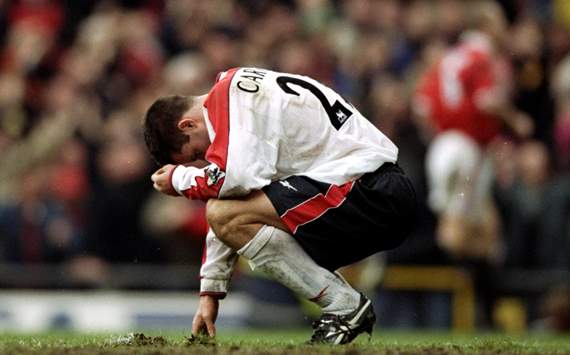
With United having stopped Liverpool from becoming the first English side to secure the treble back in 1977, it was somewhat fitting that they'd have to overcome their nemeses from Merseyside to achieve the feat. They were to do so in a fashion that would come to define the season; and the Ferguson era as a whole.
Typically United, the home side made life difficult for themselves from only the third minute, going a goal down to a Michael Owen header from Veggard Heggem's cross. With Ferguson's side third in the title race behind Aston Villa and Chelsea and still looking to recover from a winter slumber that had seen them win only four of previous 10 Premier League games, the hosts simply needed to recover.
They did, and never looked back. After 88 minutes of hammering the Liverpool box, Dwight Yorke tapped into an empty after having been played in by his partner in telepathy Andy Cole, before Ole Gunnar Solskjaer, in injury time of course, perfectly timed his strike through the legs of a young Jamie Carragher to send his side closer to Wembley.
In his match report at the time, David Anderson of the Press Association wrote: "In years to come they will still talk about this match. The match where Ole Gunnar Solskjaer scored the winner in stoppage time to complete one of the most remarkable Manchester United comebacks ever."Well they say hindsight is a wonderful thing.
| 1-0 | | KING KENNY RETURNS TO DEFEAT, 9/1/2011 |
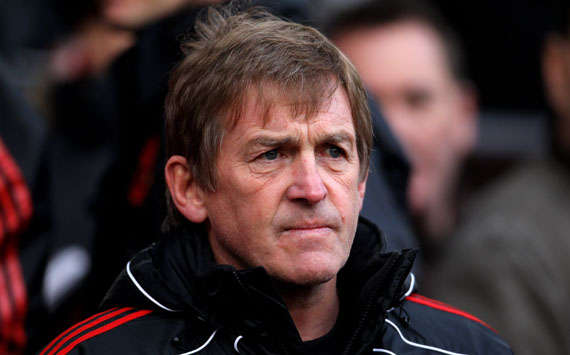
Three days before the 90th anniversary of Liverpool's last win in the FA Cup away to United, Kenny Dalglish further added to his own well-worn history book at the club where he is king.
Rushed back from a cruise holiday in Dubai to save a club in crisis, Dalglish replaced Roy Hodgson with the Reds having just lost 3-1 to Blackburn and sat 12th, 19 points behind Sir Alex's eventual champions. However, only 33 seconds into his return, Daniel Agger was wrongly penalised for a foul on Dimitar Berbatov in the area.
Ryan Giggs converted the spot kick described as "a joke" by the Liverpool boss and United never surrendered their lead, no doubt aided by Steven Gerrard's red card for a two-footed challenge on Michael Carrick. Rarely troubled by a visiting side with shattered confidence, the Red Devils eased their way into the fourth round.
Dalglish revealed that Ferguson had said "welcome back" when the pair shook hands at Old Trafford just over 12 months ago. Whether such pleasantries remain at Anfield on Saturday, like the match itself remains unknown. The history books await all over again.
Carlos Tevez, Cristiano Ronaldo & the top 10 longest-running transfer sagas in Premier League history
With the Argentina international's future reaching a stalemate at every possible opportunity, Goal.com details those who have a prolonged transfer history of their own
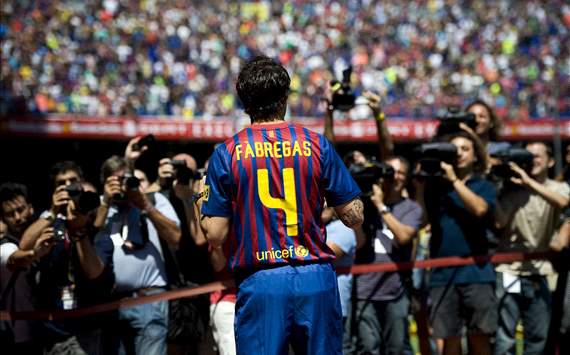
Cesc Fabregas - Barcelona (Getty)
In every window there is at least one player at the centre of a transfer slugfest, testing the resolve of his current employers while showcasing club loyalty with all the sincerity of an air hostess' smile.
Manchester City's Carlos Tevez becomes the latest in a long line of prolonged Premier League transfer sagas. Following a similar pattern to previous cases, the striker's future continues to remain unclear amid a barrage of speculation and rumour.
AC Milan, Inter and Paris Saint-Germain make up the three-horse race to sign the Argentine but the trio have weaved cautiously through negotiations thus far. City, meanwhile, insist they will not let Tevez go cheaply, despite his unwillingness to even train with the club.
But while we're all familiar with Tevez's circumstances, the 27-year-old is not the first player guilty of drawing out his own future beyond reasonable lengths, subsequently subjecting us all to the monotony of a 'will he, or won't he?' guessing frenzy.
Goal.com looks back at the players responsible for hogging the headlines during previous transfer windows.
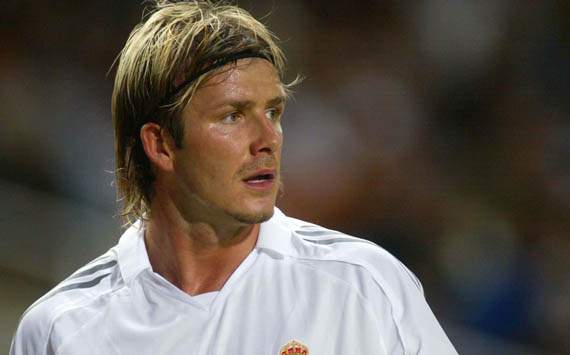
A stray boot to the face, kicked by Sir Alex Ferguson, left David Beckham with two stitches above his eye and edged him closer to the exit door at Old Trafford in February 2003.
Beckham's future under Ferguson continued to look bleak after the incident as he started on the bench for Manchester United's Champions League quarter-final second-leg tie against Real Madrid, a club strongly linked as a potential destination for the midfielder. Beckham did his chances of a move to the Bernabeu no harm by notching two goals after coming on, one a superb free-kick which left Iker Casillas rooted to the spot.
Despite his performance in April, at the end of the month Real Madrid president, Florentino Perez, claimed the club would 'never, ever sign Beckham', which placed Barcelona as front-runners for the midfielder's signature.
After another month of speculation, Barcelona's then presidential candidate, Joan Laporta, claimed an agreement had been reached over the transfer of Beckham, although the player's advisors claimed he was being used as a 'political pawn' in the Camp Nou electoral race.
That setback for Barcelona left negotiations clear for Real Madrid, who eventually went on to sign Beckham for £24.5 million in June. Despite appearing to leave under a cloud, Beckham publicly thanked Ferguson for his support, though the United boss later claimed the midfielder 'was never a problem until he got married'.
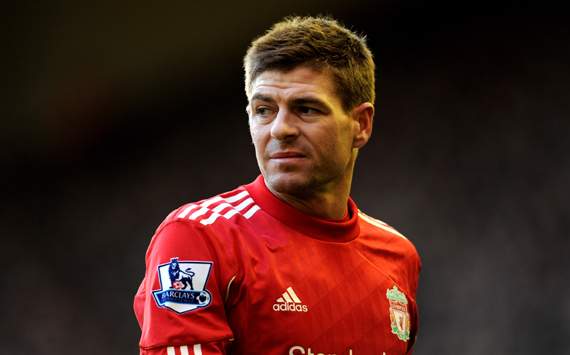
Gerrard had secured a Champions League winners' medal after inspiring Liverpool to a remarkable comeback against AC Milan in May 2005 and went on to admit he was eager to begin talks over a new contract.
Links from the previous summer with a move to Chelsea appeared to have been banished, as both Rafa Benitez and the club's then chief executive, Rick Parry, urged Gerrard to stay, revealing a contract extension had been offered.
But talks dramatically broke down. Liverpool later issued a statement confirming Gerrard had rejected their offer, while the midfielder added that his intentions to sign a new deal after the Champions League final had changed.
The U-turn reignited Chelsea's interest, sparking a £32m bid from the west London side, while reports from Spain suggested Real Madrid were also weighing up a heavy offer for the midfielder.
But just a day later, Gerrard had a change of heart again and insisted he wished to stay at Anfield. Contracts were reworked and the Liverpool captain signed a four-year extension in July 2005.
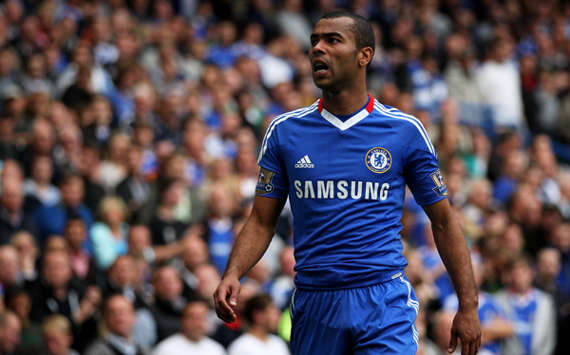
Over a year before his confirmed arrival at Stamford Bridge, Ashley Cole, along with two agents, Jose Mourinho and former Chelsea chief executive Peter Kenyon, were caught in a secret meeting and subsequently fined by the FA in one of the highest-profile 'tapping-up' cases to date.
Arsene Wenger branded Chelsea as 'arrogant' over their illegal attempts to sign the left-back, while Arsenal chairman Peter Hill-Wood revealed Cole demanded a triple-wage increase in order to stay at Arsenal.
Despite signing a contract extension in July 2005, Cole joined Chelsea just over a year later for £5m, with William Gallas moving the other way.
In his autobiography, Cole believes Arsenal 'fed him to the sharks' during the tapping-up case for not publicly backing him over the incident.
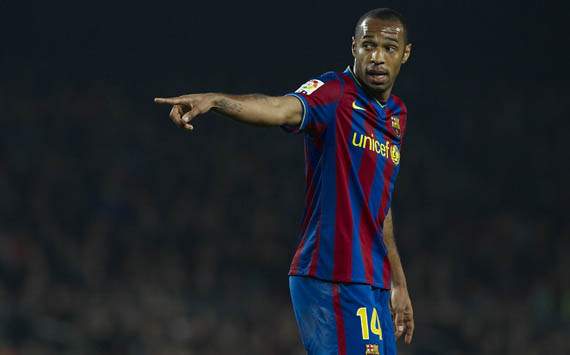
"I've never played in Spain and now I never will. This is my last big contract," was Thierry Henry's declaration after signing a four-year extension at Arsenal in May 2006.
Two days before his commitment, Henry cut a frustrated figure after losing out to Barcelona in the Champions League and the striker fuelled speculation over his future after failing to commit to the club in a post-match interview.
After winning a second runner-up medal just over a month later, this time in the 2006 World Cup final, Henry's final campaign at Arsenal was ended in March due to a groin injury. Following David Dein's departure from the club the following month, Henry admitted he was 'devastated' by the decision but remained adamant he would stay at the Emirates for the remainder of Wenger's reign.
Despite his promise, Henry completed his move to Barcelona in June 2007, while Wenger insisted there was no animosity between himself and the forward following his exit.
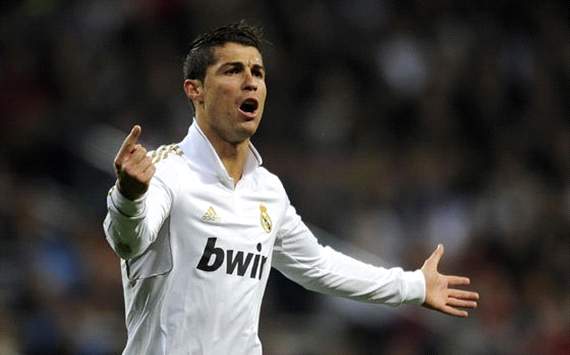
A blistering record of 42 goals in a total of 48 appearances for Manchester United in the 2007-08 season initiated Real Madrid's interest in Cristiano Ronaldo, although after winning the Champions League with Manchester United at the end of the campaign, the forward insisted he wanted to stay at Old Trafford.
United, agitated by Madrid's public attempts to lure Ronaldo, filed a complaint to Fifa during the summer which was later dismissed. Ferguson reiterated the forward will remain at Old Trafford for the following season.
Speculation continued to increase and in response to claims that United and Madrid had made a secret deal to sell Ronaldo to the Bernabeu the following summer, Ferguson said: “Do you think I would get into a contract with that mob? Jesus Christ, no chance. I wouldn’t sell them a virus."
Ronaldo's last game in a United shirt came in the 2009 Champions League final defeat to Barcelona, and transfer tittle-tattle sparked once again as a summer of uncertainty loomed.
Florentino Perez, who returned as Real Madrid's president, vowed he would not to be deterred by Ronaldo's hefty price tag, though his words were put to the ultimate test after securing the services of Kaka for a reported £56m in June.
Later that month, Ronaldo expressed his desire to leave Old Trafford and United accepted the £80m bid lodged by Real Madrid. The forward was unveiled officially in July, arriving at the Bernabeu for a world-record transfer fee.
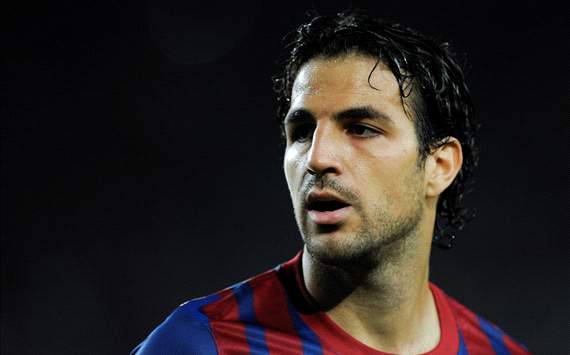
The back-and-forth nature of transfer talk involving Cesc Fabregas became almost metronomic throughout the midfielder's proposed switch to Barcelona.
Hill-Wood started off proceedings in April 2010, claiming Barcelona had assured the club they would not submit a bid the following summer. Txiki Begiristain, Barcelona's former dealmaker, dismissed any promise had be made and a £27m bid launched in June was met with a resounding rejection from Arsenal.
Fabregas insisted he wanted his future to be decided before he left for Spain's World Cup campaign but Barcelona remained firm on the midfielder's valuation, while a host of the Camp Nou playing personnel, notably Gerard Pique, Xavi and Carles Puyol, publicly courted the Arsenal captain.
Fabregas, meanwhile, confirmed he would remain loyal to Arsenal (despite being pictured in a Barcelona shirt whilst celebrating Spain's World Cup victory) and stayed at the Emirates for the following season, although his final campaign under Wenger was blighted by a persistent hamstring injury.
As the transfer window approached, Fabregas admitted he held talks with Wenger over his future, but the Frenchman remained firm, labelling Sandro Rosell's claim that the midfielder's valuation had decreased as 'disrespectful'.
Barcelona opening gambit of £30m was rejected in June, and Arsenal maintained their resilience. Puyol went on to liken Fabregas' situation at the Emirates to that of a prisoner but the midfielder seemingly put an end to speculation at the start of August by confirming his commitment to the club.
But Fabregas' statement of intent did little to dissuade Barcelona and the midfielder went on to leave Arsenal for £35m, signing a five-year deal at the Camp Nou.
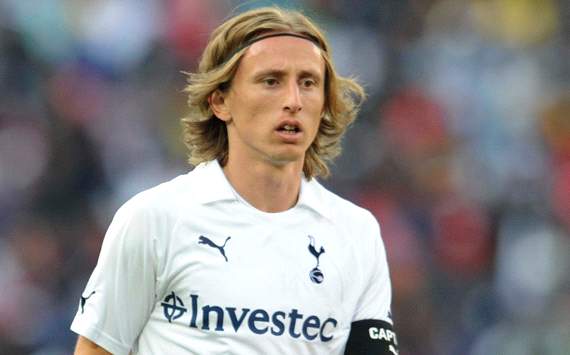
A showcase of a club's resolve to retain their prized asset, Tottenham stared in the face of increased bids, transfer requests and public wantaway declarations from Luka Modric to keep the midfielder at White Hart Lane
Chelsea initially lodged a bid of £22m which was rejected by Spurs, while a £27m improved offer, which was also declined, sparked an official transfer request from Modric, as the Croatia international claimed the club's chairman, Daniel Levy, had broken a gentleman's agreement to sell him to a bigger club in the summer.
Both Levy and manager Harry Redknapp continued to stand firm over Modric, as the Spurs boss continually referred to the Tottenham chairman's no-sale stance when questioned on the midfielder's future.
Tottenham's resilience, which was tested one last time after a deadline-day bid of £40m from Chelsea, paid off as Modric admitted he would stay until the end of the season, but talks over an improved contract have yet to evolve into an official commitment from the 26-year-old.
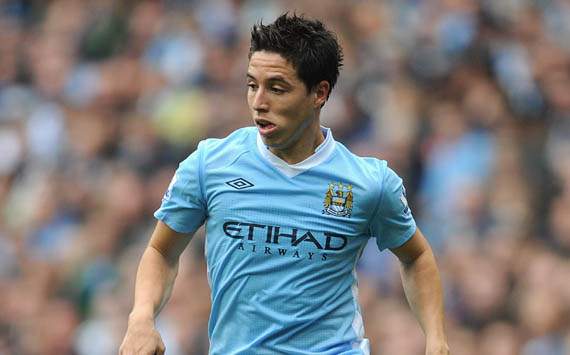
Perhaps Arsenal should have paid the price for failing to renew Samir Nasri's contract, as Manchester United and Manchester City closed in on the France international, whose deal at the Emirates was due to expire in June 2012.
Paul Scholes declared Nasri had the ability to fill the role he had retired at Old Trafford at the end of last season and the void in United's midfield suggested the 24-year-old had the chance to become a pivotal figure in Sir Alex Ferguson's plans.
But the financial clout of City eventually prevailed as the midfielder moved to Eastlands for a reported £24m fee, while picking up a salary which dwarfed the contract offers from United and Arsenal.
Nasri's parting shot directed at his former club hit out at the Emirates board for restricting Wenger in the transfer market. Arsenal may have considered themselves fortunate after making over £10m on a player who had only a year left on his contract.
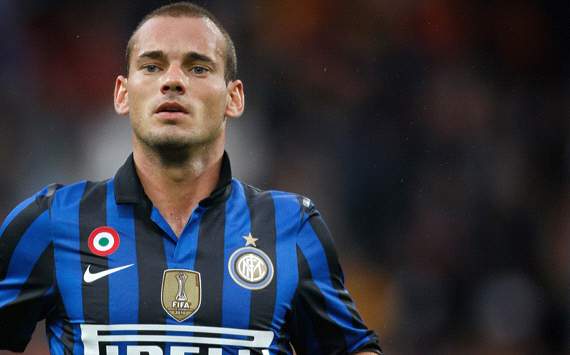
Wesley Sneijder constantly remained open to a potential move during last summer, even up until August 30, the Netherlands international claimed a deal could be struck in the closing stages of the transfer window which would to bring him to Old Trafford.
Ferguson, however, remained coy throughout the process, refusing to be drawn into speculation. After the close of the transfer window, the United boss insisted the 27-year-old 'was never an option' when targeting a midfield replacement for the retired Scholes.
Sneijder later revealed he was close to joining United and would have had no objections to a move to the Premier League.
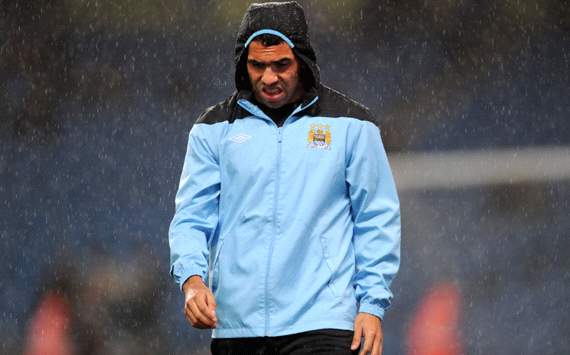
Trouble had begun to brew as early as April 2010, less than a year into Tevez's arrival at Manchester City.
The Argentine had criticised Mancini over his training methods but worse was to come as the club rejected a transfer request from the striker in December and followed up eight days later with a statement suggesting Tevez had withdrawn his initial plea, with the forward pledging his commitment to City.
Speculation continued to mount and in June 2011, Tevez spoke in an interview about how he would not return to Manchester 'not even for a holiday'. The striker followed up with a subsequent statement issuing his desire to leave Eastlands in order to be closer to his family.
Corinthians appeared to be the perfect suitors but despite an agreement being reached between City and his former club, Tevez's transfer to the Brazilian side fell through. Inter, Real Madrid and a return to Boca Juniors remained possible destinations but a deal failed to materialise.
Tevez remained a City player but was stripped of the captaincy by Mancini and was limited in his appearances by the form of Edin Dzeko, Mario Balotelli and summer signing Sergio Aguero.
Tevez's next move was to spark a one-man mutiny as he refused to come off the bench during City's Champions League defeat to Bayern Munich. An angry Mancini vowed the Argentine would never play for the club again, while his fine of four weeks' wages as a result of a club investigation was halved by the Professional Footballers' Association.
Since the beginning of the January transfer window, City have fired a warning shot to potential suitors by revealing Tevez has lost £9.3m in wages, fines and bonuses this season after going on strike.
Despite the revelations, Inter, Paris Saint-Germain and AC Milan remained undeterred in the race to sign the Argentine, although the latter have already broken off negotiations with City previously this month after Alexandre Pato confirmed he was staying at San Siro.
But while we're all familiar with Tevez's circumstances, the 27-year-old is not the first player guilty of drawing out his own future beyond reasonable lengths, subsequently subjecting us all to the monotony of a 'will he, or won't he?' guessing frenzy.
Goal.com looks back at the players responsible for hogging the headlines during previous transfer windows.
| DAVID BECKHAM TO REAL MADRID, 2003 |
A stray boot to the face, kicked by Sir Alex Ferguson, left David Beckham with two stitches above his eye and edged him closer to the exit door at Old Trafford in February 2003.
Beckham's future under Ferguson continued to look bleak after the incident as he started on the bench for Manchester United's Champions League quarter-final second-leg tie against Real Madrid, a club strongly linked as a potential destination for the midfielder. Beckham did his chances of a move to the Bernabeu no harm by notching two goals after coming on, one a superb free-kick which left Iker Casillas rooted to the spot.
Despite his performance in April, at the end of the month Real Madrid president, Florentino Perez, claimed the club would 'never, ever sign Beckham', which placed Barcelona as front-runners for the midfielder's signature.
After another month of speculation, Barcelona's then presidential candidate, Joan Laporta, claimed an agreement had been reached over the transfer of Beckham, although the player's advisors claimed he was being used as a 'political pawn' in the Camp Nou electoral race.
That setback for Barcelona left negotiations clear for Real Madrid, who eventually went on to sign Beckham for £24.5 million in June. Despite appearing to leave under a cloud, Beckham publicly thanked Ferguson for his support, though the United boss later claimed the midfielder 'was never a problem until he got married'.
| STEVEN GERRARD TO CHELSEA, 2005 |
Gerrard had secured a Champions League winners' medal after inspiring Liverpool to a remarkable comeback against AC Milan in May 2005 and went on to admit he was eager to begin talks over a new contract.
Links from the previous summer with a move to Chelsea appeared to have been banished, as both Rafa Benitez and the club's then chief executive, Rick Parry, urged Gerrard to stay, revealing a contract extension had been offered.
But talks dramatically broke down. Liverpool later issued a statement confirming Gerrard had rejected their offer, while the midfielder added that his intentions to sign a new deal after the Champions League final had changed.
The U-turn reignited Chelsea's interest, sparking a £32m bid from the west London side, while reports from Spain suggested Real Madrid were also weighing up a heavy offer for the midfielder.
But just a day later, Gerrard had a change of heart again and insisted he wished to stay at Anfield. Contracts were reworked and the Liverpool captain signed a four-year extension in July 2005.
| ASHLEY COLE TO CHELSEA, 2006 |
Over a year before his confirmed arrival at Stamford Bridge, Ashley Cole, along with two agents, Jose Mourinho and former Chelsea chief executive Peter Kenyon, were caught in a secret meeting and subsequently fined by the FA in one of the highest-profile 'tapping-up' cases to date.
Arsene Wenger branded Chelsea as 'arrogant' over their illegal attempts to sign the left-back, while Arsenal chairman Peter Hill-Wood revealed Cole demanded a triple-wage increase in order to stay at Arsenal.
Despite signing a contract extension in July 2005, Cole joined Chelsea just over a year later for £5m, with William Gallas moving the other way.
In his autobiography, Cole believes Arsenal 'fed him to the sharks' during the tapping-up case for not publicly backing him over the incident.
| THIERRY HENRY TO BARCELONA, 2007 |
"I've never played in Spain and now I never will. This is my last big contract," was Thierry Henry's declaration after signing a four-year extension at Arsenal in May 2006.
Two days before his commitment, Henry cut a frustrated figure after losing out to Barcelona in the Champions League and the striker fuelled speculation over his future after failing to commit to the club in a post-match interview.
After winning a second runner-up medal just over a month later, this time in the 2006 World Cup final, Henry's final campaign at Arsenal was ended in March due to a groin injury. Following David Dein's departure from the club the following month, Henry admitted he was 'devastated' by the decision but remained adamant he would stay at the Emirates for the remainder of Wenger's reign.
Despite his promise, Henry completed his move to Barcelona in June 2007, while Wenger insisted there was no animosity between himself and the forward following his exit.
| CRISTIANO RONALDO TO REAL MADRID, 2008-2009 |
A blistering record of 42 goals in a total of 48 appearances for Manchester United in the 2007-08 season initiated Real Madrid's interest in Cristiano Ronaldo, although after winning the Champions League with Manchester United at the end of the campaign, the forward insisted he wanted to stay at Old Trafford.
United, agitated by Madrid's public attempts to lure Ronaldo, filed a complaint to Fifa during the summer which was later dismissed. Ferguson reiterated the forward will remain at Old Trafford for the following season.
Speculation continued to increase and in response to claims that United and Madrid had made a secret deal to sell Ronaldo to the Bernabeu the following summer, Ferguson said: “Do you think I would get into a contract with that mob? Jesus Christ, no chance. I wouldn’t sell them a virus."
Ronaldo's last game in a United shirt came in the 2009 Champions League final defeat to Barcelona, and transfer tittle-tattle sparked once again as a summer of uncertainty loomed.
Florentino Perez, who returned as Real Madrid's president, vowed he would not to be deterred by Ronaldo's hefty price tag, though his words were put to the ultimate test after securing the services of Kaka for a reported £56m in June.
Later that month, Ronaldo expressed his desire to leave Old Trafford and United accepted the £80m bid lodged by Real Madrid. The forward was unveiled officially in July, arriving at the Bernabeu for a world-record transfer fee.
| CESC FABREGAS TO BARCELONA, 2010-2011 |
The back-and-forth nature of transfer talk involving Cesc Fabregas became almost metronomic throughout the midfielder's proposed switch to Barcelona.
Hill-Wood started off proceedings in April 2010, claiming Barcelona had assured the club they would not submit a bid the following summer. Txiki Begiristain, Barcelona's former dealmaker, dismissed any promise had be made and a £27m bid launched in June was met with a resounding rejection from Arsenal.
Fabregas insisted he wanted his future to be decided before he left for Spain's World Cup campaign but Barcelona remained firm on the midfielder's valuation, while a host of the Camp Nou playing personnel, notably Gerard Pique, Xavi and Carles Puyol, publicly courted the Arsenal captain.
Fabregas, meanwhile, confirmed he would remain loyal to Arsenal (despite being pictured in a Barcelona shirt whilst celebrating Spain's World Cup victory) and stayed at the Emirates for the following season, although his final campaign under Wenger was blighted by a persistent hamstring injury.
As the transfer window approached, Fabregas admitted he held talks with Wenger over his future, but the Frenchman remained firm, labelling Sandro Rosell's claim that the midfielder's valuation had decreased as 'disrespectful'.
Barcelona opening gambit of £30m was rejected in June, and Arsenal maintained their resilience. Puyol went on to liken Fabregas' situation at the Emirates to that of a prisoner but the midfielder seemingly put an end to speculation at the start of August by confirming his commitment to the club.
But Fabregas' statement of intent did little to dissuade Barcelona and the midfielder went on to leave Arsenal for £35m, signing a five-year deal at the Camp Nou.
| LUKA MODRIC TO CHELSEA, 2011 |
A showcase of a club's resolve to retain their prized asset, Tottenham stared in the face of increased bids, transfer requests and public wantaway declarations from Luka Modric to keep the midfielder at White Hart Lane
Chelsea initially lodged a bid of £22m which was rejected by Spurs, while a £27m improved offer, which was also declined, sparked an official transfer request from Modric, as the Croatia international claimed the club's chairman, Daniel Levy, had broken a gentleman's agreement to sell him to a bigger club in the summer.
Both Levy and manager Harry Redknapp continued to stand firm over Modric, as the Spurs boss continually referred to the Tottenham chairman's no-sale stance when questioned on the midfielder's future.
Tottenham's resilience, which was tested one last time after a deadline-day bid of £40m from Chelsea, paid off as Modric admitted he would stay until the end of the season, but talks over an improved contract have yet to evolve into an official commitment from the 26-year-old.
| SAMIR NASRI TO MANCHESTER CITY, 2011 |
Perhaps Arsenal should have paid the price for failing to renew Samir Nasri's contract, as Manchester United and Manchester City closed in on the France international, whose deal at the Emirates was due to expire in June 2012.
Paul Scholes declared Nasri had the ability to fill the role he had retired at Old Trafford at the end of last season and the void in United's midfield suggested the 24-year-old had the chance to become a pivotal figure in Sir Alex Ferguson's plans.
But the financial clout of City eventually prevailed as the midfielder moved to Eastlands for a reported £24m fee, while picking up a salary which dwarfed the contract offers from United and Arsenal.
Nasri's parting shot directed at his former club hit out at the Emirates board for restricting Wenger in the transfer market. Arsenal may have considered themselves fortunate after making over £10m on a player who had only a year left on his contract.
| WESLEY SNEIJDER TO MANCHESTER UNITED, 2011 |
Wesley Sneijder constantly remained open to a potential move during last summer, even up until August 30, the Netherlands international claimed a deal could be struck in the closing stages of the transfer window which would to bring him to Old Trafford.
Ferguson, however, remained coy throughout the process, refusing to be drawn into speculation. After the close of the transfer window, the United boss insisted the 27-year-old 'was never an option' when targeting a midfield replacement for the retired Scholes.
Sneijder later revealed he was close to joining United and would have had no objections to a move to the Premier League.
| CARLOS TEVEZ TO AC MILAN, 2012 |
Trouble had begun to brew as early as April 2010, less than a year into Tevez's arrival at Manchester City.
The Argentine had criticised Mancini over his training methods but worse was to come as the club rejected a transfer request from the striker in December and followed up eight days later with a statement suggesting Tevez had withdrawn his initial plea, with the forward pledging his commitment to City.
Speculation continued to mount and in June 2011, Tevez spoke in an interview about how he would not return to Manchester 'not even for a holiday'. The striker followed up with a subsequent statement issuing his desire to leave Eastlands in order to be closer to his family.
Corinthians appeared to be the perfect suitors but despite an agreement being reached between City and his former club, Tevez's transfer to the Brazilian side fell through. Inter, Real Madrid and a return to Boca Juniors remained possible destinations but a deal failed to materialise.
Tevez remained a City player but was stripped of the captaincy by Mancini and was limited in his appearances by the form of Edin Dzeko, Mario Balotelli and summer signing Sergio Aguero.
Tevez's next move was to spark a one-man mutiny as he refused to come off the bench during City's Champions League defeat to Bayern Munich. An angry Mancini vowed the Argentine would never play for the club again, while his fine of four weeks' wages as a result of a club investigation was halved by the Professional Footballers' Association.
Since the beginning of the January transfer window, City have fired a warning shot to potential suitors by revealing Tevez has lost £9.3m in wages, fines and bonuses this season after going on strike.
Despite the revelations, Inter, Paris Saint-Germain and AC Milan remained undeterred in the race to sign the Argentine, although the latter have already broken off negotiations with City previously this month after Alexandre Pato confirmed he was staying at San Siro.
Hip-Hop Rumors: Did Ludacris Cause Kanye West’s Career Catapulting Car Accident??!!

latest edition of “Whoo Kids Untold Stories,” the G-Unit DJ speaks about his studio session with Kanye West and Ludacris the night of Kanye’s life-changing car accident. As we all know, before Kanye West became known as one of the best rappers in the game, he was in a terrible accident back in 2002 that left his jaw broken in three places which had to be wired shut while it healed. Kanye was inspired to create “Through the Wire” and utilized actual footage from his recovery, which in turn, made him a household name and catapulted him to fame.

According to Whoo Kid, both Ludacris and Kanye West were in the studio with him to contribute to one of his mixtapes when Kanye went, well, all “Kanye” in the studio and spit for an hour straight in the booth. Luda didn’t know Kanye very well and was super annoyed with him for wasting his time, because basically Luda just wanted to come in, lay his verse down and bounce.
“So Kanye’s looking crazy, you know, trying to impress Luda, but it wasn’t that time. Luda wanted to come in, do that verse and get the f–k out. So, what made it worse is he went out there and played a beat but by the time he got out there, Luda picked a Red Spyda beat. So now I gotta tell Kanye ‘Your services are not needed.’”

According to Whoo Kid, Kanye left the studio angry and screeched out of the parking. Soon after Whoo Kid got a call that Kanye was in a car accident, that could have killed him. Check out Whoo Kid explaining the story below. The video includes actual footage from that night as well as Kanye predicting his success and relationship with Jay-Z. Interesting stuff!


No comments:
Post a Comment
hey! whats up! we are happy to attend that lever we need your help by contribute with idea and other things. thank you